
Imagine flipping a switch and powering your home with energy from the sky. No fuel, no noise, just clean, endless sunlight transformed into electricity. That’s the everyday miracle of solar panels, turning our most abundant natural resource into reliable power for modern life. Whether you’re curious about going green or simply want to cut down on bills, understanding how they work opens the door to smarter energy choices. In this guide, we’ll break it down simply, explore exciting trends, and share practical tips so you can see why solar panels are lighting up homes and businesses everywhere.
TABLE OF CONTENT
- From Sunlight to Electricity – The Simple Science Behind Solar Panels
- Types of Solar Panels & Finding the Perfect Fit for Your Roof
- Solar Energy Efficiency Trends: Brighter Days Ahead
- Maximizing Solar Panel Efficiency, Easy Wins for Homeowners
- Latest Solar Panel Technology Innovations That Are Changing the Game
- Solar Energy Advantages and Disadvantages
- How Solar Panels Work with Modern Storage
- Conclusion
- Frequently Asked Questions About Solar Panels
From Sunlight to Electricity, The Simple Science Behind Solar Panels
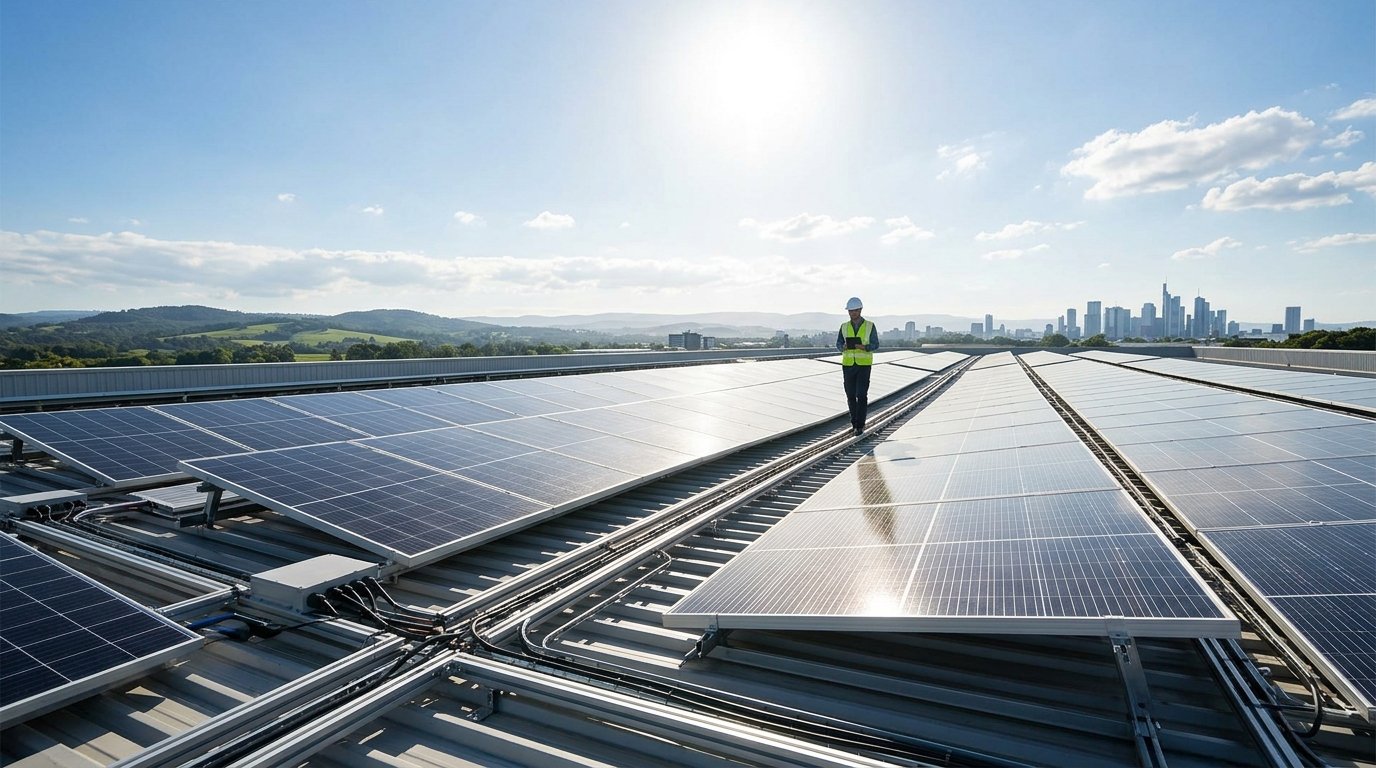
Solar panels are like tiny power plants that use the sun’s rays without any moving parts. Each panel is packed with photovoltaic cells thin slices of specially treated silicon. When sunlight hits these cells, something magical happens called the photovoltaic effect.
Here’s how it works in plain terms: Sunlight is made of tiny energy packets called photons. When a photon strikes a solar cell, it knocks an electron loose from its atom. These free electrons start flowing in one direction, creating direct current (DC) electricity. That’s the raw power generated by these panels.
But your home runs on alternating current (AC), so a solar inverter steps in to convert the DC into usable AC power. And for those cloudy days or nighttime needs? That’s where a solar inverter battery shines, storing extra energy from solar panels so you can use it later. The whole process is silent, emission-free, and powered entirely by renewable energy. No wonder they are becoming a go-to solution for forward-thinking homeowners.
Types of Solar Panels & Finding the Perfect Fit for Your Roof
Not all solar panels are created equal, and choosing the right type can make a big difference in performance and looks. Let’s explore the main types of solar panels so you can picture what might work best on your roof.
- Monocrystalline solar panels are the premium choice made from single, pure silicon crystals. They’re sleek, black, and highly efficient, squeezing more power from every square inch.
- Polycrystalline solar panels use multiple silicon fragments, giving them a distinctive blue sparkle and a more budget-friendly price tag.
- Thin-film solar panels are the lightweight flexible option, perfect for curved surfaces or portable setups.
And don’t forget mini solar panel varieties! These compact versions are ideal for small gadgets, RVs, or garden lights, proving that solar technology scales beautifully from tiny projects to whole-house systems. Each type balances cost, efficiency, and durability, letting you match them to your unique space and energy goals.
Solar Energy Efficiency Trends
The story of solar panels keeps getting better thanks to rapid gains in energy efficiency. Just a decade ago, typical panels converted only 15-18% of sunlight into electricity. Today, top models routinely hit 22-25%, and researchers are pushing toward 30% and beyond.
What’s driving these solar energy efficiency trends? Better materials, smarter cell designs, and clever anti-reflective coatings that trap more photons. Global adoption of renewable energy has fueled massive investment, so every year brings panels that produce more power from the same sunlight. This means smaller systems can now meet bigger needs perfect for home setups where roof space is limited. As efficiency climbs, they become even more attractive for everyday families and businesses chasing lower bills and a lighter carbon footprint.
Maximizing Solar Panel Efficiency, Easy Wins for Homeowners
Getting the most from your solar panels isn’t rocket science, it’s about smart placement and simple care. Start by positioning panels where they drink in maximum sunlight throughout the day. South-facing roofs (in the northern hemisphere) usually win the prize, but modern tracking mounts can follow the sun like a sunflower.
Keep panels clean: a quick rinse every few months removes dust and pollen that can steal 5-10% of output. Pairing them with a quality solar inverter battery system boosts overall energy efficiency by storing surplus power instead of wasting it.
Small upgrades like micro-inverters or optimizers ensure every panel performs at its best, even if one section is shaded. These practical steps turn good panels into great ones, helping your renewable energy investment pay off faster and deliver reliable power year after year.
Latest Solar Panel Technology Innovations That Are Changing the Game
Solar technology never sleeps, and the latest solar panel technology is nothing short of thrilling. Bifacial panels capture sunlight on both sides—front and back—boosting output by up to 30% when installed over reflective surfaces. Perovskite cells, a hot new material, promise ultra-thin, ultra-cheap layers that could soon layer on top of traditional silicon for record-breaking efficiency.
Smart solar panels with built-in sensors now talk to apps, letting you monitor performance from your phone. Flexible, lightweight films are popping up on windows, vehicles, and even clothing bringing solar technology into everyday objects. These breakthroughs make them more versatile than ever, opening doors for creative installations and even higher energy efficiency across residential and commercial projects.
Solar Energy Advantages and Disadvantages
Solar panels offer clear benefits along with a few practical considerations.
Advantages
- Drastically lower electricity bills with payback periods often between 5-8 years
- Clean renewable energy with zero fuel cost and almost no emissions
- Increased property value and greater energy independence
- Minimal maintenance once installed
- Excellent when paired with solar inverter battery storage
Disadvantages
- Higher upfront cost (though prices continue falling)
- Reduced output on cloudy days or at night
- Needs sufficient roof space for larger systems
For most homes, the long-term advantages far outweigh the drawbacks, especially as technology improves and support programs expand.
How Solar Panels Work with Modern Storage
Today’s solar panels don’t stop at generating power, they team up beautifully with solar inverter battery systems to create true energy independence. Excess daytime electricity charges the battery instead of feeding the grid. When the sun sets or clouds roll in, the stored power kicks in seamlessly. This setup is perfect for home users who want to run lights, appliances, and even air conditioners without worrying about peak-rate pricing or blackouts.
Also know to choose the suitable for solar energy storage here Lead Acid vs. Lithium-Ion: Which Battery is Better for Solar Energy Storage?
Conclusion
From basic science to cutting-edge solar technology has evolved into one of the smartest, cleanest ways to power our lives. They deliver real energy efficiency, support renewable energy goals, and give homeowners control over their electricity future. Whether you’re dreaming of solar panels for home, exploring their types, or considering a full solar inverter battery setup, the benefits are clear and growing every day.
Ready to turn sunlight into savings and sustainability? Discover more about high-performance solar solutions and expert guidance by visiting Mahati Enterprises. Your journey to cleaner, cheaper power is just a click away.