with over
0
satisfied coustomers

Take the first step toward a greener, more sustainable future with reliable renewable energy solutions designed just for you.
Solar panels still function during the rainy season, but their performance decreases
On cloudy or rainy days, the amount of electricity they produce usually drops to around 30% to 40% of what it would be on a sunny day. The positive side is that rain helps clean the panels by washing away dust and bird droppings.
Yes, approvals are required if you’re setting up a grid-connected system, which is known as Net Metering.
There isn’t a fixed monthly fee like a subscription, but you should plan for some costs.
Routine cleaning usually costs around ₹1,000 to ₹3,000 each time if you hire someone.
An Annual Maintenance Contract (AMC) is often offered by installers for ₹2,000 to ₹10,000 or more per year.
This includes deep cleaning and electrical system checks.
Yes.
Dust, pollen, and pollution can form a layer over the panels, which stops sunlight from reaching them. If you live in an area with a lot of dust, like near a construction site or a busy road, this film can lower your energy output by 15% to 25%.
It is best to contact a certified Solar Supplier or Vendor first.
They act as your consultant, they will assess your roof, estimate your needs, and handle the complex paperwork with the Electricity Board (MESCOM) on your behalf.
There are several things you need to keep in mind before installing a solar plant.
Figure out how much power you need. Normally, for a family of 3 to 4 people, a 3 kW system is enough. However, this depends on how many appliances you use and how much electricity you consume. You should also consider going for an off-grid or hybrid system, especially if you often face power cuts.
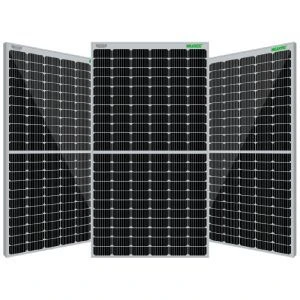
There are various options, but some common ones include monoperq halfcut, bifacial, and TOPCON. TOPCON is the newest technology available.
There are different types, and if you’re going for an off-grid or hybrid system, you need an inverter that works with that setup. In our country, string inverters are popular and affordable, so you can go for that.
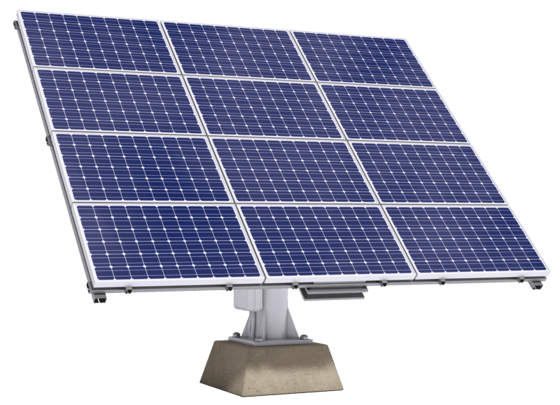
These pillars need to be strong and durable because a solar plant is a long-term investment and should last for 25 to 30 years.
These are just the basics.
There are many other small details to consider. If you need help, feel free to message me. My suggestion is to visit a dealer and ask for quotes, both with and without subsidies, since many dealers might offer the same price regardless of subsidies.
Residential solar panels are made to be very strong and usually last between 25 to 30 years.
Most well-known brands offer a “performance warranty” that guarantees they will still produce at least 80% of their original energy output after 25 years.