Renewable energy is no longer a “future plan” — it is already changing how homes and businesses get their power today. In 2026, this shift is moving faster than ever, driven by better technology, smarter batteries, and rising electricity costs. Whether you run a business, manage a home, or simply want fewer power cuts, understanding where renewable energy is headed can help you make better decisions this year.
This blog breaks down the biggest renewable energy trends of 2026 in simple terms, without the technical jargon, so you can see exactly what’s changing and why it matters to you.
TABLE OF CONTENT
Why 2026 Is a Turning Point for Renewable Energy
For years, renewable energy was seen as a “nice to have.” That thinking has changed. Solar panels are cheaper, batteries store more power for longer, and electricity from the grid keeps getting costlier and less reliable in many areas. Add to this the growing demand from homes, offices, and industries, and renewable energy has quietly become the practical, everyday choice rather than an experimental one.
Governments across the world are also pushing harder for clean power, and more households are realising that going solar isn’t just good for the planet — it’s good for the monthly electricity bill too.
Top Renewable Energy Trends Shaping 2026
1. Battery Storage Is Becoming the Real Game-Changer
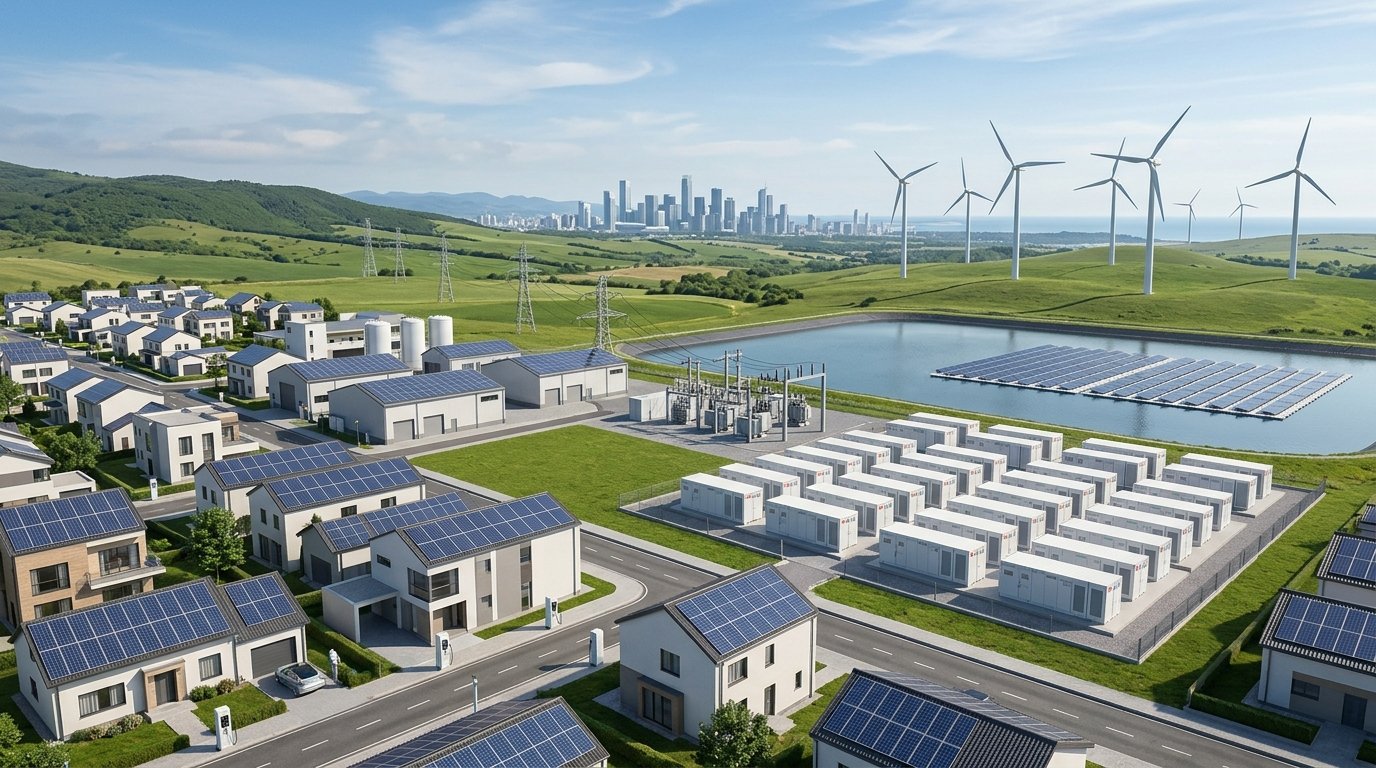
If solar panels were the star of the last decade, batteries are the star of this one. Storing power has always been the missing piece of clean energy — after all, the sun doesn’t shine at night. In 2026, battery technology is improving quickly, making it possible to store solar power during the day and use it after sunset or during a power cut.
This means renewable energy systems are no longer just about generating power — they’re about controlling when you use it, which gives homes and businesses far more independence from the grid.
2. Solar Power Keeps Leading the Way
Solar continues to be the fastest-growing form of renewable energy, and for good reason. Panel prices have dropped, installation has become quicker, and payback periods are shorter than they used to be. More rooftops — residential and commercial — are being fitted with solar systems, turning unused roof space into a source of savings.
3. Hybrid Systems Are Becoming the New Normal
One of the most practical renewable energy trends this year is the rise of hybrid power setups — systems that combine solar panels, battery storage, and a backup connection to the grid or a UPS. Instead of relying on just one power source, hybrid systems automatically switch between them, so homes and businesses always have power, no matter the weather or grid status.
This approach is especially useful in areas with frequent voltage fluctuations or power cuts, where a single power source simply isn’t dependable enough.
4. Smarter, More Connected Energy Systems
Technology is making renewable energy systems easier to monitor and manage. Many new solar and battery setups now come with apps or dashboards that show exactly how much power is being generated, stored, and used in real time. This kind of visibility helps households and businesses spot inefficiencies, plan usage better, and get more value out of their renewable energy investment.
5. Rising Power Demand Is Pushing Renewable Adoption Faster
Electricity demand is climbing steadily, driven by growing industries, more appliances at home, and increasing use of electric vehicles. This rising demand is putting pressure on traditional grids, which is why more homes and businesses are turning to renewable energy and battery backup systems to secure a stable power supply instead of waiting on an overstretched grid.
What These Renewable Energy Trends Mean for You
Lower Electricity Bills
A well-designed renewable energy setup, especially one that includes solar and battery storage, can significantly cut monthly electricity costs over time. The upfront investment pays for itself, often faster than most people expect.
Fewer Disruptions from Power Cuts
Pairing solar power with a reliable UPS or battery backup means daily operations — whether at home or at a business — don’t grind to a halt every time the grid goes down.
Long-Term Value, Not Just a Trend
Unlike short-lived tech fads, renewable energy is backed by decades of improving technology and falling costs. Investing in it now means benefiting from a system that only gets more efficient and valuable over time.
Making the Switch to Renewable Energy: Where to Start
Getting started doesn’t have to be complicated. The first step is understanding your current power usage — how much electricity you consume, when you need backup the most, and what your budget looks like. From there, a mix of solar panels, the right battery capacity, and a dependable UPS system can be planned to match your exact needs, rather than a one-size-fits-all setup.
The key is working with people who understand both the technology and your local power conditions, so the system you choose actually solves your problems instead of creating new ones.
Conclusion
The renewable energy landscape in 2026 is defined by smarter batteries, hybrid power setups, and a growing need for dependable backup solutions. These trends aren’t just industry buzzwords — they’re shaping how homes and businesses will manage electricity for years to come. If you’re exploring solar and battery solutions that fit your specific power needs, now is the right time to start planning your move toward a more reliable, cost-effective energy future.