
Why Your Power Setup Is Costing You More Than It Should?
Electricity bills are climbing. Power cuts are unpredictable. And the old UPS-and-grid combo? It’s just not cutting it anymore.
The good news is that hybrid solar power has changed the game completely. Instead of depending on a single energy source, a hybrid setup pulls power from solar panels, a battery bank, and the grid all working together, automatically. The result? Serious energy efficiency gains without you having to think about it.
Whether you’re a homeowner tired of surprise blackouts or a business owner watching power costs eat into your margins, this guide breaks down exactly how hybrid solar works and why it might be the smartest upgrade you make this year.
TABLE OF CONTENT
- Why Your Power Setup Is Costing You More Than It Should?
- What Is a Hybrid Solar System?
- The Real-World Benefits You’ll Actually Notice
- Hybrid Solar vs. Standard Solar — What’s the Actual Difference?
- Batteries — The Heart of the Hybrid System
- Is Hybrid Solar Right for Your Home or Business?
- The Installation Process — Simpler Than You’d Expect
- Conclusion: The Shift to Smarter Power Starts Here
- Frequently Asked Questions
What Is a Hybrid Solar System?
The Simple Explanation
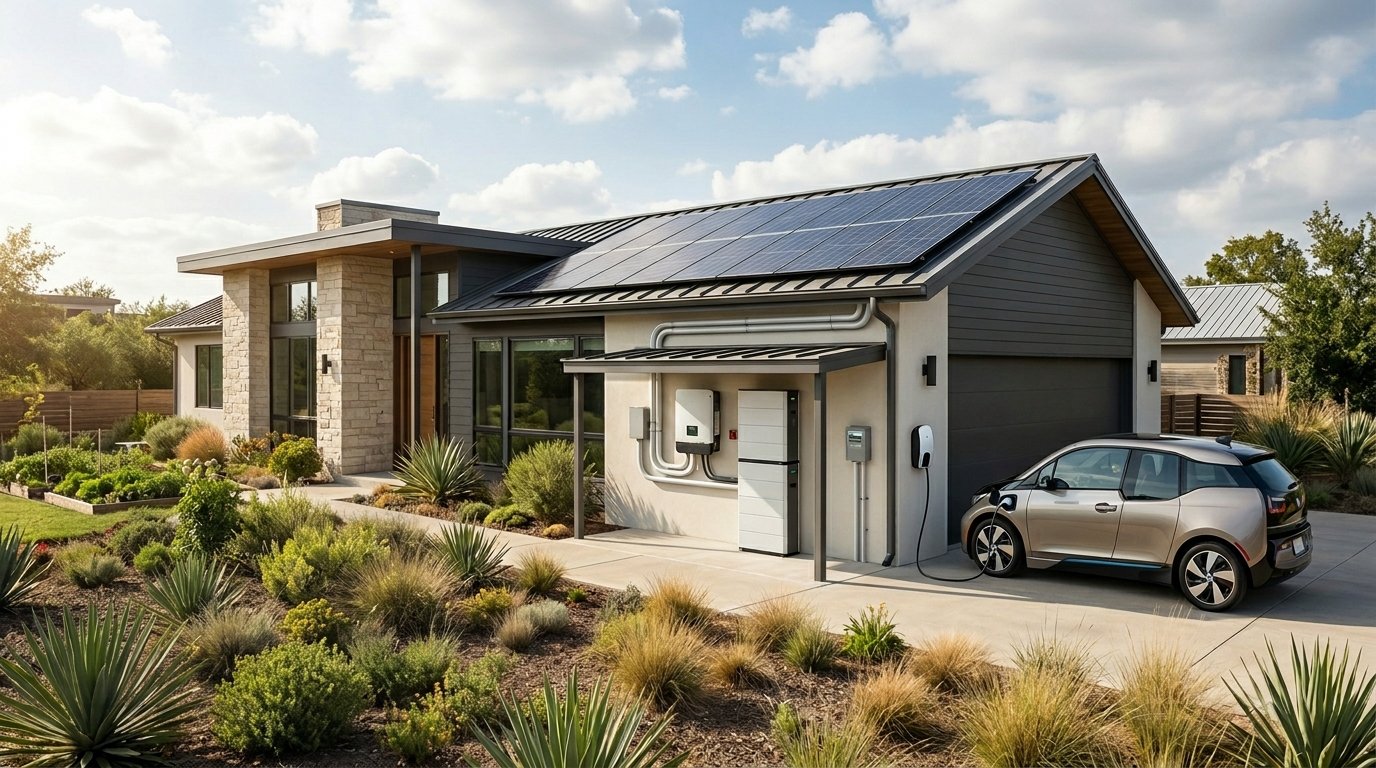
A hybrid solar system combines solar panels with a battery storage unit and remains connected to the grid. Unlike a basic on-grid setup (which gives you nothing when the grid goes down) or a fully off-grid setup (which requires massive battery capacity), a hybrid system gives you the best of both.
How the Three Sources Work Together
Here’s how power flows in a hybrid system:
- Solar panels generate power during daylight hours
- Battery storage holds excess solar energy for evenings or cloudy days
- Grid connection acts as a backup when both solar and battery fall short
An intelligent inverter manages all three sources in real time, always prioritizing the cheapest and cleanest option first. This automatic switching is exactly what drives energy efficiency — you’re never wasting power or paying for energy you could have generated yourself.
The Real-World Benefits You'll Actually Notice
Lower Electricity Bills, Every Month
This is the number one reason people make the switch. By consuming solar energy first and storing what’s left over, your reliance on grid power drops significantly. For most households and small businesses, this translates to 40–70% reduction in electricity costs within the first year.
Uninterrupted Power Supply — Without the Diesel
Traditional backup systems run on diesel generators or basic inverters with limited battery life. Hybrid solar replaces all of that with a clean, silent, automatic backup. The moment grid power drops, your battery kicks in — no noise, no fumes, no manual switching.
Smarter Energy Efficiency Over Tim
Modern hybrid systems come with monitoring apps that show you real-time data — how much solar you generated, how much battery you used, what came from the grid. This visibility alone helps you make smarter choices: running heavy appliances during peak solar hours, for example, so you’re using free energy instead of paid power.
Hybrid Solar vs. Standard Solar — What's the Actual Difference?
A lot of people assume solar is solar. But the type of system you install has a massive impact on your energy efficiency outcomes.
Feature | Standard On-Grid Solar | Hybrid Solar System |
Works during power cuts | ❌ No | ✅ Yes |
Stores excess energy | ❌ No | ✅ Yes |
Reduces grid dependence | Partially | Significantly |
Long-term savings | Moderate | High |
Smart monitoring | Basic | Advanced |
A standard system feeds excess solar power back to the grid (sometimes with compensation, sometimes not). A hybrid system stores that excess energy in your own battery — so you use it, not the grid.
Batteries — The Heart of the Hybrid System
Why Battery Choice Matters More Than You Think
The solar panel gets all the attention, but the battery is what actually delivers energy efficiency when the sun isn’t shining. A poorly matched battery can bottleneck your entire system, reducing its performance and lifespan.
What to Look for in a Solar Battery
Depth of Discharge (DoD): The higher the DoD, the more of the battery’s capacity you can actually use. Look for batteries with 80–95% DoD.
Cycle Life: How many charge-discharge cycles the battery lasts. More cycles = longer lifespan = better return on investment.
Compatibility: Your battery must be matched to your inverter and panel capacity. This is where professional guidance matters.
Lithium-Ion vs. Lead-Acid: Lithium batteries cost more upfront but last longer, charge faster, and have a higher DoD. For most hybrid solar setups today, lithium is the better long-term choice.
Is Hybrid Solar Right for Your Home or Business?
Homes That Benefit the Most
If your home experiences frequent power cuts, has high daytime electricity usage, or you’re already paying above-average electricity tariffs — hybrid solar delivers fast, measurable returns.
Businesses That Should Seriously Consider It
Retail shops, small manufacturing units, restaurants, clinics, and offices with regular operating hours are ideal candidates. Solar power for businesses doesn’t just reduce bills — it protects operations from outages that cost far more than electricity ever did.
A Quick Sizing Guide
- 1–2 BHK homes: 3kW–5kW hybrid system with 5kWh battery
- Large homes/villas: 7kW–10kW system with 10kWh battery
- Small businesses: 10kW+ with battery sized to critical load requirements
Getting the sizing right is crucial. An undersized system won’t meet your needs; an oversized one delays your break-even point.
The Installation Process — Simpler Than You'd Expect
Step 1: Energy Audit
A good installer will first assess your current energy consumption — peak usage, load profile, and where energy is being wasted. This directly informs system design.
Step 2: System Design
Based on your audit, the right combination of panels, inverter, and battery is specified. This is where solar energy savings start taking shape on paper before they show up on your bill.
Step 3: Installation and Commissioning
A typical residential installation takes 1–2 days. Commercial setups may take longer depending on load and infrastructure.
Step 4: Monitoring Setup
Once live, your system’s monitoring portal lets you track generation, consumption, and battery levels from your phone. Real-time visibility is equal to real-time energy efficiency management.
Conclusion: The Shift to Smarter Power Starts Here
Hybrid solar isn’t just about going green (though that’s a genuine bonus). It’s about taking control of your bills, your backup power, and your long-term energy efficiency. As grid tariffs rise and battery costs continue to fall, the case for hybrid solar gets stronger every year.
If you’re ready to stop guessing and start saving, explore a trusted destination for solar power solutions, UPS systems, and batteries built for Indian homes and businesses.
The switch is simpler than you think. The savings are real. And the sooner you start, the more you keep.