
You’ve invested in solar panels. The sun does its job during the day but what happens at night, or during a cloudy stretch? That’s where solar storage comes in. And if you’re serious about getting the most out of your solar setup, the battery you choose makes all the difference.
Lithium-ion batteries have quickly become the go-to choice for solar battery storage and for good reason. They’re efficient, compact, long-lasting, and smarter than older battery types. Let’s break down exactly why they stand out.
TABLE OF CONTENT
Why Battery Storage Is the Missing Piece in Your Solar Setup
Solar panels generate power when the sun shines. But your home or business needs power round the clock. Without a good battery storage system, any excess energy your panels produce simply goes to waste or back to the grid, often at a low rate.
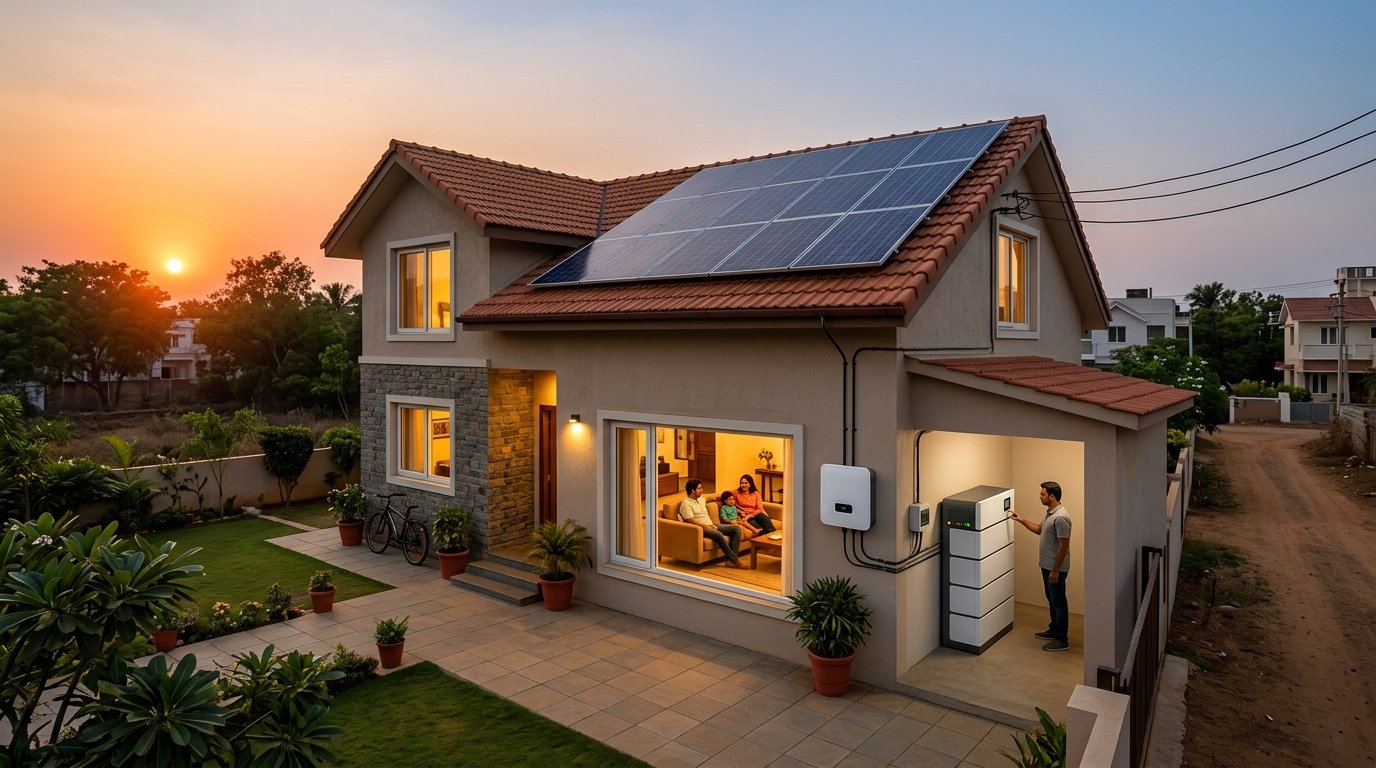
A reliable solar energy storage system captures that surplus power and holds it for when you actually need it evenings, cloudy days, or during grid outages. Think of it as your own private power bank, but on a much bigger scale.
The question isn’t whether you need solar storage. It’s which battery gives you the best return.
What Makes Lithium-Ion the Best Solar Battery Choice?
1. They Store More Energy in Less Space
One of the biggest wins with a lithium battery is its energy density. Compared to lead-acid batteries, lithium-ion packs far more power into a smaller, lighter unit. This is a big deal if you’re working with limited roof space, a compact utility room, or a residential installation where size matters.
You get more solar storage capacity without needing to double your battery bank.
2. Longer Lifespan — Less Replacement, More Savings
A typical lead-acid battery lasts 3 to 5 years. A quality lithium solar battery can easily last 10 to 15 years, sometimes more. That’s a dramatic difference in long-term cost.
When you calculate how many times you’d have to replace an older battery versus a lithium one over a decade, the math clearly favours lithium. Lower replacement costs mean your solar energy storage system pays for itself faster.
3. Higher Depth of Discharge — Use What You Store
Here’s something most people don’t realise: with lead-acid batteries, you should only use about 50% of the stored charge before recharging. Use more, and you shorten the battery’s life significantly.
Lithium-ion batteries, on the other hand, allow a depth of discharge (DoD) of up to 80–90%. That means you’re actually getting full use of your solar storage capacity, not just half of it.
4. Faster Charging, Better Efficiency
Lithium batteries charge faster and lose very little energy in the process. Their round-trip efficiency, the ratio of energy put in versus energy you get back is around 95–98%. Lead-acid batteries sit closer to 70–80%.
In simple terms: if your solar panels push 10 kWh into a lithium battery, you get nearly 10 kWh back out. That kind of efficiency is exactly what makes lithium the best solar battery 2026 buyers are turning to.
Real Benefits You'll Notice from Day One
Consistent Performance in Varying Temperatures
Solar systems operate in all kinds of weather. Lithium-ion batteries handle heat and cold better than most older battery types. Whether you’re in a coastal climate or an area that sees high summer temperatures, your battery storage system stays reliable.
Low Maintenance — No Topping Up, No Checking Fluid
Lead-acid batteries need regular maintenance checking electrolyte levels, topping up with distilled water, cleaning terminals. Lithium-ion batteries are essentially maintenance-free. Once installed, they just work.
For homeowners and businesses alike, this is a major practical advantage.
Safer and Smarter with Built-In BMS
Modern lithium-ion batteries come with a built-in Battery Management System (BMS). This monitors the battery’s temperature, charge level, and voltage in real time automatically protecting it from overcharging, deep discharge, and overheating.
This layer of intelligence makes lithium battery systems not just efficient, but genuinely safer for long-term use.
Safer and Smarter with Built-In BMS
Feature | Lithium-Ion | Lead-Acid |
Lifespan | 10–15 years | 3–5 years |
Depth of Discharge | Up to 90% | Up to 50% |
Round-Trip Efficiency | 95–98% | 70–80% |
Maintenance | None | Regular |
Weight | Light | Heavy |
Upfront Cost | Higher | Lower |
Long-Term Value | Excellent | Moderate |
The upfront cost of lithium is higher, yes but the long-term value tells the real story.
Is Lithium-Ion Right for Your Home or Business?
Whether you’re running a small residential solar setup or a large commercial installation, lithium-ion fits both. Here’s a quick way to think about it:
- Homes: Excellent for evening power use, backup during grid outages, and reducing electricity bills.
- Businesses: Ideal for cutting peak-hour demand charges, maintaining uptime for critical equipment, and meeting sustainability targets.
- Off-grid setups: Lithium is practically the standard choice for reliable, independent solar energy storage where grid access is limited or unavailable.
If you want to maximize every unit of power your solar panels produce, a lithium solar battery system is the most effective way to do it.
Conclusion
Solar panels are only as good as the storage system behind them. A lithium-ion battery doesn’t just store power it makes your entire solar setup smarter, more efficient, and more cost-effective over the long run.
From longer lifespan and deeper discharge to minimal maintenance and built-in safety features, the case for lithium is clear. If you’re planning a new solar installation or upgrading an existing one, this is the battery technology worth investing in.
To explore reliable solar products and expert installation support, visit our solar solutions and find the right setup for your home or business.