Solar technology isn’t what it was five years ago. Panels are smarter, batteries last longer, and energy storage systems are finally catching up with the power they’re meant to hold. Whether you’re a homeowner trying to cut electricity bills or a business looking to go green, understanding what’s new in solar innovations can help you make better decisions and save more money in the long run.
TABLE OF CONTENT
Why Solar Technology Is Advancing So Fast
The world is running out of patience with rising electricity costs and unpredictable power cuts. That urgency has pushed engineers and manufacturers to move faster than ever. Government incentives like India’s PM Surya Ghar Muft Bijli Yojana have also accelerated adoption, meaning more investment, more research, and better products reaching consumers sooner.
The result? Solar energy systems today are more efficient, more affordable, and smarter than anything available a decade ago.
The Biggest Breakthroughs in Solar Panels Right Now
Perovskite Solar Cells: The Game Changer
Traditional silicon solar panels have been the industry standard for decades. They work well, but they’ve hit a ceiling in terms of how efficient they can get. Enter perovskite solar cells ,a newer material that can convert sunlight into electricity at significantly higher rates, and at a fraction of the manufacturing cost.
Researchers have already achieved efficiency rates above 33% in lab settings with perovskite-silicon tandem cells. Commercial versions are expected to become widely available within the next few years. For consumers, this means smaller panels generating more power perfect for rooftops with limited space.
Bifacial Solar Panels: Power From Both Sides
Most solar panels only capture sunlight from the front. Bifacial panels capture light from both sides, including reflected sunlight from the ground or rooftop surface. This simple design change can boost energy output by 10–20% without any extra space or wiring.
They’re already being used in large commercial and industrial solar installations, and are gradually becoming available for residential use too.
Transparent and Flexible Solar Panels
Yes, solar panels can now be made transparent. These are being tested on windows, building facades, and even vehicle roofs. Flexible panels, on the other hand, can be rolled or curved to fit unusual surfaces. While still not mainstream, these technologies point to a future where nearly every surface can generate renewable energy.
Energy Storage: Finally Keeping Up With Solar
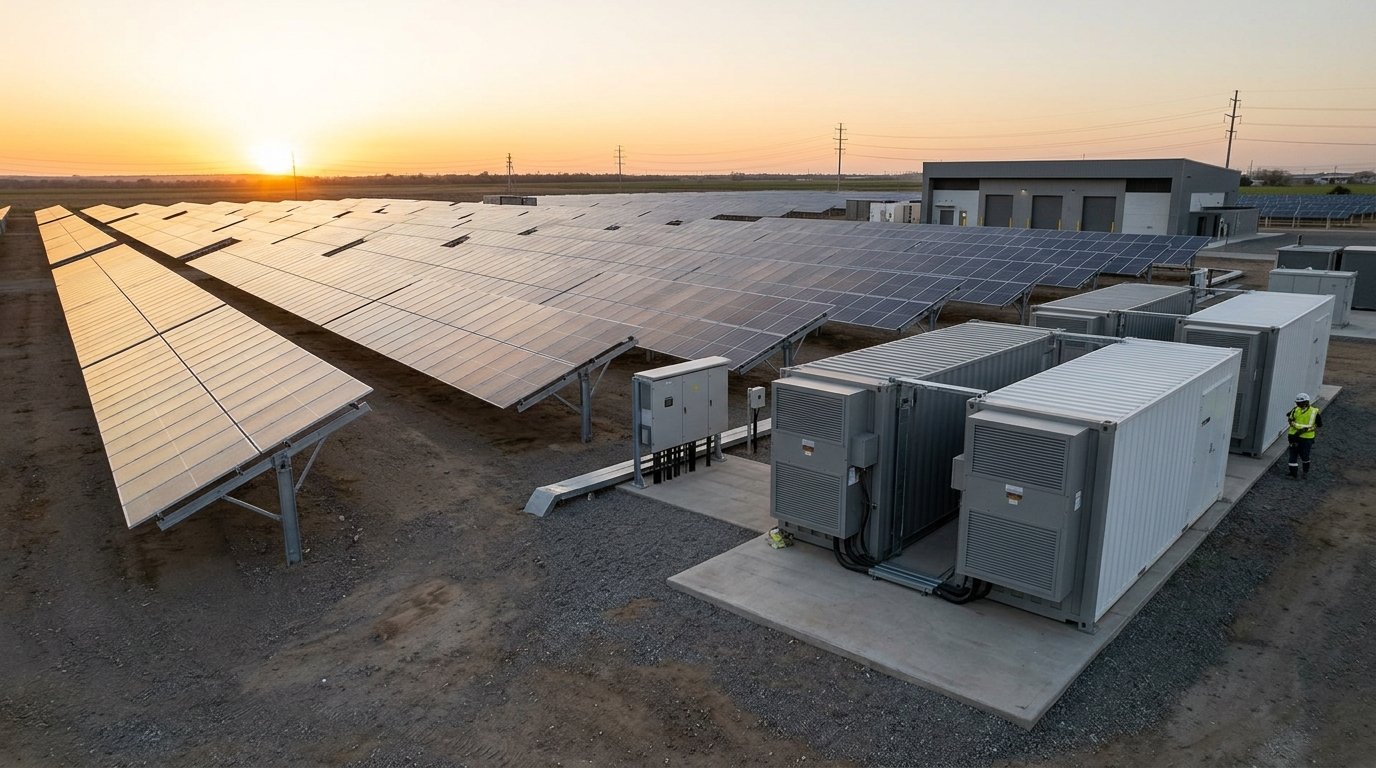
Generating solar power is only half the equation. Storing it efficiently is where the real challenge lies and where the most exciting progress is happening.
Lithium Iron Phosphate (LiFePO4) Batteries: The New Standard
The old lead-acid inverter battery served its purpose, but residential solar batteries are replacing them fast. Here’s why:
- They last 3–4 times longer than lead-acid batteries
- They charge faster and discharge more evenly
- They’re safer — no risk of overheating or explosion
- They perform better in high-temperature environments (critical in Indian summers)
For anyone setting up a solar system today, LiFePO4 is the smart choice for a solar battery that won’t need replacing every few years.
Solid-State Batteries: The Next Leap
Current lithium batteries use liquid electrolytes. Solid-state batteries replace that liquid with a solid material, making them even safer, more compact, and capable of storing more energy. While still in advanced development, solid-state batteries are expected to reach the consumer market in the next 2–3 years.
When they do, home energy storage systems will become more powerful and take up far less space.
AI-Powered Battery Management Systems
Modern solar battery systems don’t just store power they think. AI-based battery management systems now monitor charge cycles, predict usage patterns, and automatically manage power flow to extend battery life. Some systems can even communicate with the electricity grid, deciding when to draw power and when to sell it back, all without manual input.
Smart Inverters: The Brain of the Solar System
An inverter battery setup is only as good as the inverter managing it. New-generation smart inverters have moved far beyond simply converting DC power to AC. Today’s inverters:
- Monitor real-time performance of every panel
- Detect faults automatically and send alerts
- Integrate with mobile apps for remote monitoring
- Support grid-tied, off-grid, and hybrid operations
Hybrid inverters which can manage solar input, battery storage, and grid power simultaneously are becoming the preferred choice for homes and businesses that want full energy independence without fully disconnecting from the grid.
Solar Innovations Making Waves in India
India’s climate is ideal for solar, and the country is embracing these advances quickly.
Net metering allows homes and businesses with solar panels to send unused solar energy back to the grid and receive credits on their electricity bill. Combined with better energy storage systems, this means some households are achieving near-zero electricity bills.
Solar-Powered Microgrids
In rural and semi-urban areas where grid reliability is poor, solar microgrids are providing stable, clean power to entire communities. These self-contained systems use panels, batteries, and smart inverters to function independently, a true example of solar innovations solving real-world problems.
Conclusion
Solar is no longer a future technology, it’s a present-day solution that keeps getting better. From high-efficiency perovskite cells and bifacial panels to AI-managed batteries and smart inverters, the tools available today make it easier and more economical than ever to switch to clean energy.
If you’re thinking about making the move whether for your home, business, or industrial setup the time is now. Explore reliable solar power solutions that cover everything from installation to energy storage, and take a step toward complete energy independence.